

 The problems we have identified are in the process of broom making using coconut leaves. These stalks are hand stripped from the coconut tree leaves. For improving efficiency and ergonomics of the process, some of the solutions are proposed. Most of broom makers including men, women and children in Jamalpur area of Ahmedabad, perform repetitive tasks which might result in physical and musculoskeletal issues. The current techniques and methods practiced have little or no safety considerations and hence stress the need for either proper safety equipment, or a new method to make these brooms, which does not compromise on efficiency and also reduces safety concerns. Keeping these problems in mind, as well as understanding the economic background of the broom makers, our team members came up with various ideas, which were mapped, and detailed, at the same time modified or rejected on the basis of the feedback given by various mentors and professors. After scrutinizing and detailing, two designs have been finalized, which have been further explained.
 After noting down and mapping the problems, our team discussed various designs which could be refined into possible solutions, and mapped the same. Various ideas were also discarded after various mentors and professors citied safety concerns during the use of these designs. Finally, we converged to the idea of designing a workspace which would address all concerns and at the same time also design a safety glove for the specific process of tying the metal wire to the broom, as this was identified as the main problem by our team. The design of the machine is inspired from the traditional foot operated sewing machine, and design consists of a stand, where the stalks of the broom can be strapped and this stand will be rotated allowing the broom maker to just hold the metal wire to the broom in order to tie it. The ribbon can also be tied to the broom in the same way. The glove is intended to work as a safety equipment and will contain metallic strips in two sections (marked section A and B in the figure) to ensure that the metal wire, does not affect the hands of the user and at the same time does not tear the fabric of the glove, thereby increasing it life and effectiveness. The material is polyester with foam padding. The designing of the glove involved another field visit to ensure that the concerns and opinion of the broom makers was also taken into account, and after this field visit, the design of the glove was modified.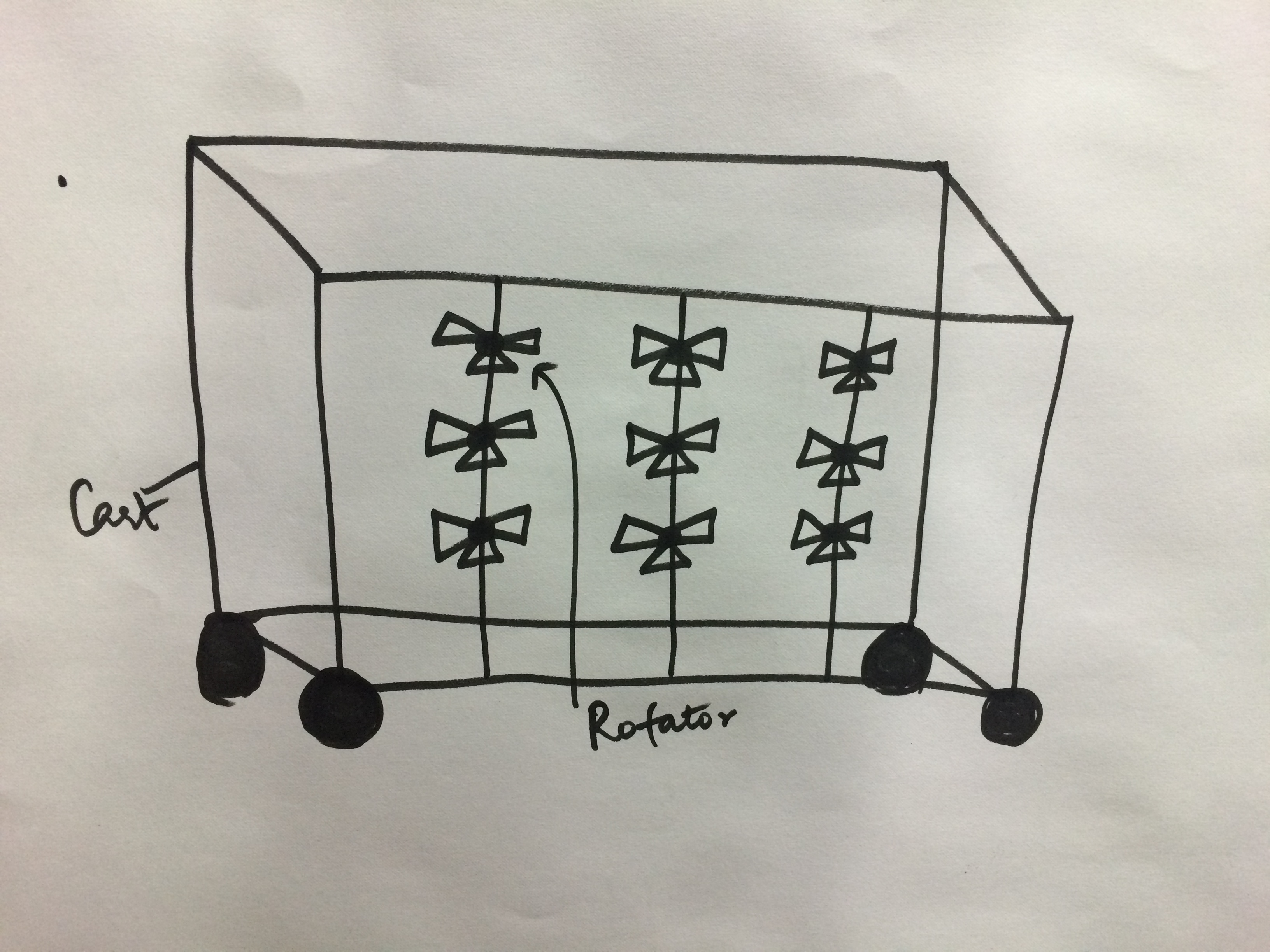


 Keeping in mind the current scenario of the space crunch that is prevalent in all the major cities of India, especially the metropolitans; there is a serious need of urban equity to be implemented for the mutual harmony of all the stakeholders in the

 Based on the observations and discussion with the people it was observed that they get hand injuries while they dismantle the cans using stones. Also, there is a high possibility of health impacts due to constant exposure to the gases emerging out when the knob separates. Even children were involved in this process, so there is an involvement of child labor as well and eliminating it, are our responsibility.
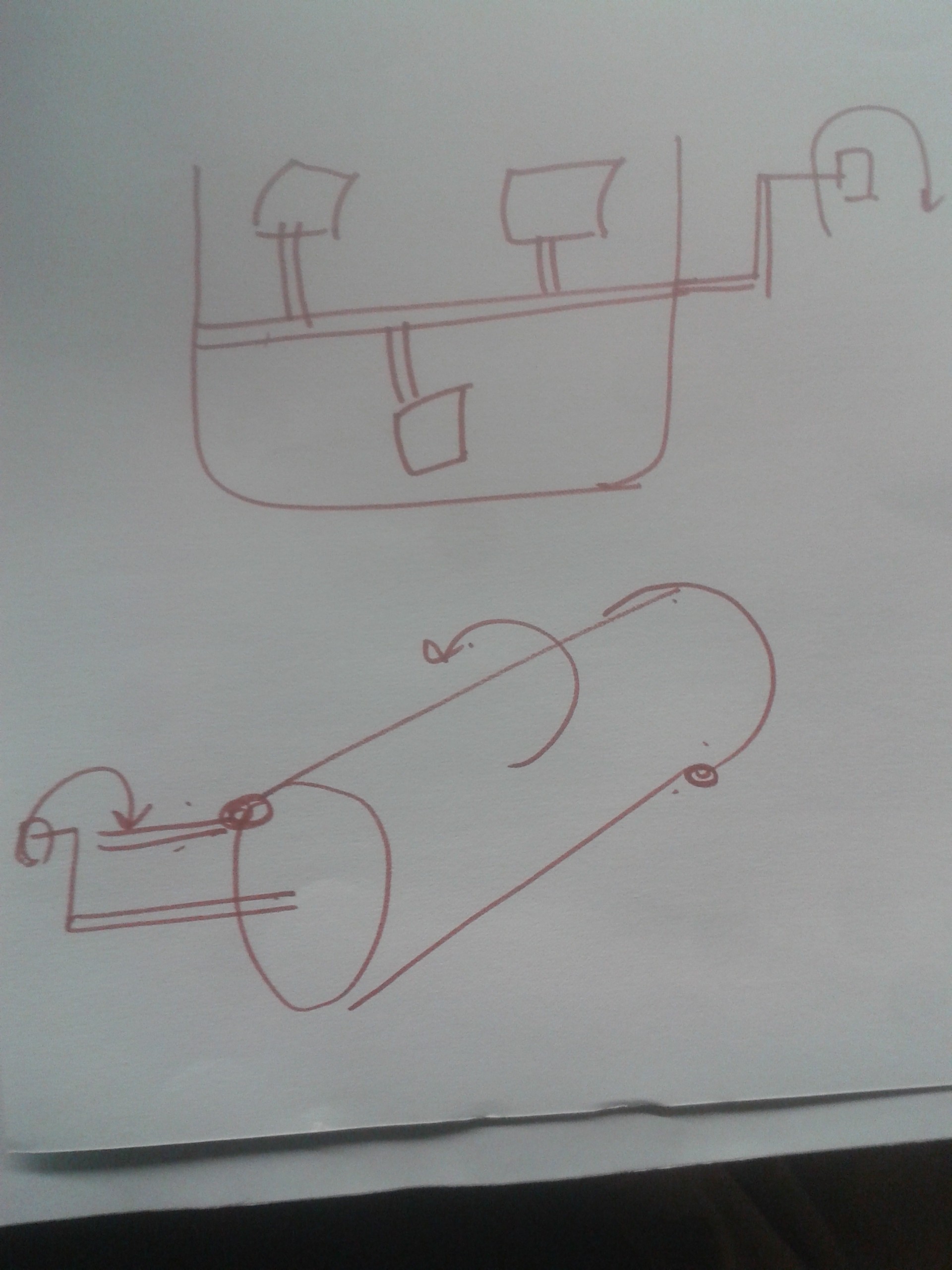
 A fulcrum based device which hammers the cans and the plastic knob separates off. This idea is based on the observations of how the people did this process using the rocks. It is based on the same principle which they apply when they use stones. There is a circular cavity where the can head goes in and then like a slaughter hammer, the user rams down the hammer on the can head. In this way, the can heads get hammered and narrow down in turn leading to the removal of the plastic knob.
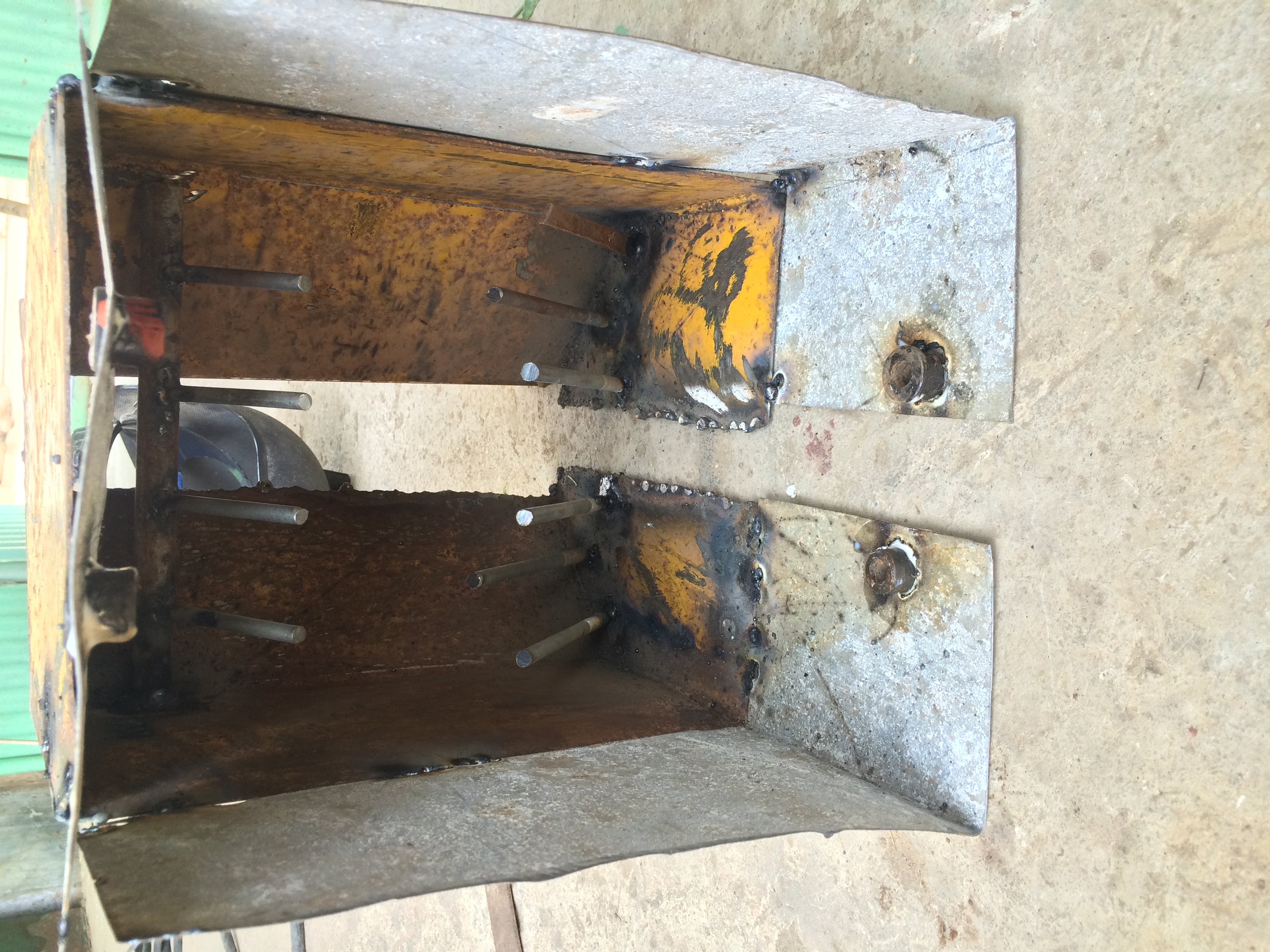
 The project involved understanding the process of making pots by small manufacturers and the problems they face in the whole process. Observations at the field were made to understand the process of making pots, people involved in the process and the supply of pots to the market. Analysing the whole process of pottery in detail, problems were mapped and two major problems were narrowed down. One is the problem of injuries during the purification of clay and other is the excessive pollution caused during baking of the pots in the kiln. Since, there has been no significant variation in the methods used for purifying soil from years and this is process is dangerous as well as time consuming, this problem was chosen to further work on.

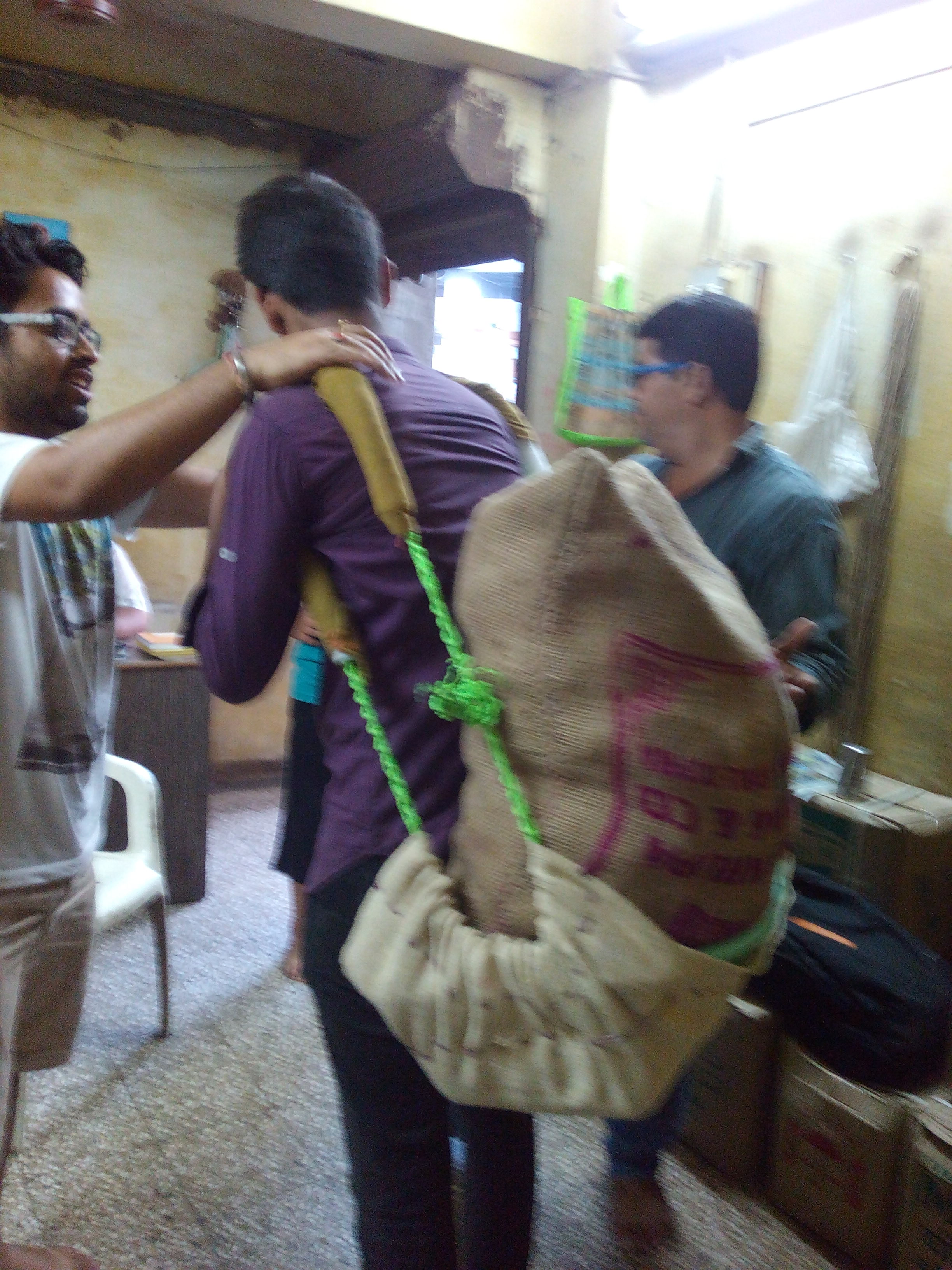


 These broom makers come to Ahmedabad from Chittorgarh, Rajasthan just to make and sell brooms here in the city. They make brooms by beating on nails. This process is extremely tiring and takes at least 5 minutes to beat one broom. This process is very important as it creates fibers of the broom. The tool they use for beating is called a ‘cheena . As you have to hold the broom in your hand and beat it, it is very painful after some time. The main action which happens in this process is ‘beating and pulling’ of the broom. This action has to be repeated at least 15-20 times after which the broom is then ready to be finished and then sold off.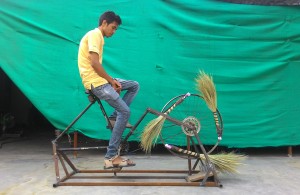

Honey Bee Network
The Honey Bee Network (HBN) is a social movement supported by a large number of volunteers .
Join With UsQuick Links
Quick links
Honey Bee Network
Enquiry
Address
SRISTI, AES Boys Hostel Campus, Near Gujarat University Library & SBI Bank, Navrangpura, Ahmedabad-380 009, Gujarat, India.
© 2023 Honeybeenetwork, All Rights Reserved. | Design By Brainamaze
Leave A Comment